
Selling a home is stressful under the best of circumstances. But when your property suffers from foundation issues — cracks in walls, uneven floors, sticking doors, moisture in the basement — the task can feel overwhelming. In a place like Cape May, NJ, where older homes and variable soil conditions may contribute to foundation instability, these structural concerns can scare off conventional buyers and derail deals.
Yet, you have another option: selling to a cash buyer. For many homeowners facing foundation problems, cash offers can mean a faster, simpler path to closing — no pricey repairs, no long waits, no financing hassles. This article walks you through what foundation issues really mean, how they affect your home’s value and sale prospects, and why cash buyers may be your best bet when you need to sell a house “as‑is” in Cape May, NJ.
What Are Foundation Issues — And Why They Really Matter
Common Foundation Problems Many Homeowners Face
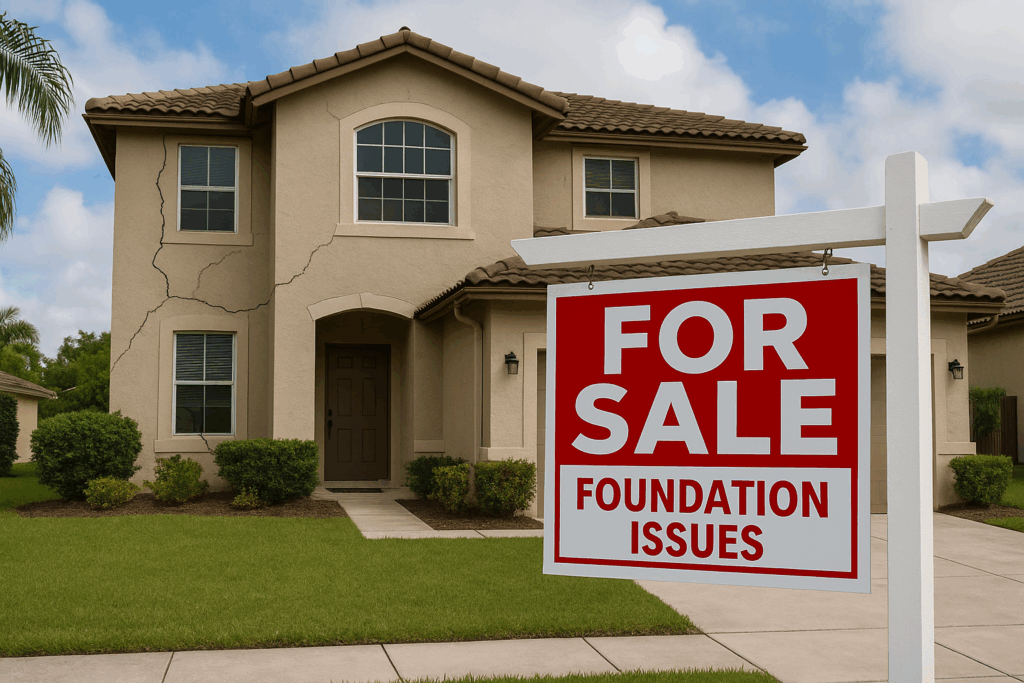
Foundation issues come in different shapes and severity. Some are minor cosmetic inconveniences. Others are serious structural problems. Common signs include:
- Cracks in walls, floors, or the foundation itself — vertical, horizontal, or stair‑step.
- Uneven or sloping floors; sagging or shifting underfoot.
- Doors and windows that stick, don’t close or open properly, or appear misaligned.
- Walls that bow, lean, or pull away from the floor/ceiling.
- Moisture problems: damp crawlspaces or basements, water intrusion, poor drainage around the foundation.
These issues often stem from soil movement, moisture changes, drainage problems, or poor construction/foundation preparation.
How Foundation Issues Impact Home Value and Saleability
Foundation problems don’t just threaten structural integrity — they dramatically affect how buyers (and lenders) see your home. Some of the key implications:
- Lower appraised value / lower buyer offers — Because repairing foundation issues can be costly, buyers or appraisers will often discount the property’s value to reflect future repair uncertainty.
- Fewer interested buyers — Many conventional buyers avoid homes with foundation issues, especially if obtaining a mortgage requires a structural inspection.
- Longer time on the market — Properties with structural problems often stay unsold longer as buyers weigh risks or demand price reductions.
- Potential legal or disclosure issues — If you know about foundation problems, you must disclose them to buyers; hiding defects can lead to legal repercussions.
The impact of foundation issues on property value is significant. According to a detailed explanation by Level Engineering, foundation problems can lead to a drop in property value by up to 10–15%, or more depending on the severity. Repairing foundation issues, when done correctly and documented, may help mitigate this drop and even restore a large portion of the value.
Given all these challenges, selling a house with foundation problems via traditional methods becomes difficult — especially if you don’t want to invest in expensive repairs or wait indefinitely for a buyer who’s willing to take on the risk.
Selling a House with Foundation Issues in New Jersey (Cape May): What You Should Know
Foundation Issues & Soil / Environmental Conditions in NJ
In New Jersey — including Cape May — soil composition and environmental factors can worsen foundation problems. Many homes sit on soils that expand when wet and shrink when dry, making foundations shift, settle unevenly, or crack over time.
Additionally, heavy rain, poor drainage, groundwater issues, or plumbing leaks can lead to moisture-related foundation damage (water infiltration, soil erosion, hydrostatic pressure), which may accelerate deterioration.
Given New Jersey’s varied weather patterns and soil types, foundation settlement, shifting, or structural stress is not uncommon — which means many sellers in Cape May with old or damaged houses may face similar challenges.
Disclosure Requirements and Ethical Considerations
If you know your house has foundation issues, you likely have a legal obligation to disclose them. In many states (including New Jersey), foundation defects are considered “material defects” — issues that materially affect the value or safety of the property — and must be revealed to potential buyers. New Jersey law requires sellers to disclose any known material defects to avoid legal liabilities, and failure to do so could result in legal consequences. Sellers are required to complete the Seller’s Property Condition Disclosure Statement, which provides a standardized form for disclosing these issues, including foundation problems.
Failure to disclose known issues, including foundation problems, can lead to lawsuits, rescinded contracts, or other legal penalties. Transparency is not only a legal requirement but also a practical necessity. Being upfront about foundation defects helps you attract serious buyers (investors or cash buyers) and avoid wasting time or renegotiations down the road.
Repair vs Sell “As‑Is”: What Many Sellers Choose
Once you know the extent of foundation issues (ideally after a professional inspection), you have two main paths:
- Repair the foundation before selling — This can raise your home’s appeal and price, but foundation repairs can be costly and time-consuming; not always feasible or worth the investment.
- Sell the property “as-is” — For many sellers with limited funds or in urgent need to sell, selling as-is is often the more practical option. This reduces stress, avoids repair costs, and often appeals to investors or cash buyers willing to take on the repairs themselves.
If you opt for “as-is,” being upfront about defects, setting a realistic price (discounted appropriately), and targeting the right buyer becomes critical.
Why Cash Buyers Are Often the Best Choice for Houses with Foundation Issues
When your house has foundation issues — especially in a market like Cape May, NJ — traditional buyers become scarce. That’s where cash buyers shine. Here’s why working with a cash buyer is often the smartest, most efficient choice:
Cash Buyers Accept “As-Is” — No Repairs Required
One of the biggest advantages of cash buyers is their willingness to purchase homes in any condition — even those with serious structural issues like foundation problems. They treat the property as-is and plan repairs themselves.
That means:
- You don’t have to invest time or money into major foundation repairs.
- You avoid the stress, delays, and uncertainty involved with soliciting contractors, managing repairs, and hoping for a return on investment.
- You can walk away from the home quickly — without worrying about what might be lurking beneath the surface.
Faster, More Reliable Closing — Avoiding Financing Delays
Traditional buyers often rely on mortgages or loans. But lenders (especially those backed by FHA, VA, or other government programs) generally require a sound, structurally intact foundation before approving financing.
Foundation issues can kill a deal — leaving you back at square one. Cash buyers, on the other hand:
- Don’t require mortgage approvals or bank financing.
- Skip lengthy appraisals and underwriting.
- Can complete closing in days or weeks, rather than months.
This speed and certainty can be a major advantage — especially for sellers who need to move fast (relocation, financial pressure, inherited property, or simply don’t want to wait for a fixer-upper sale).
Less Hassle, Less Negotiation — Straightforward Deals
Selling a house “as-is” to a cash buyer typically involves fewer demands, less paperwork, and fewer contingencies. There’s no back‑and‑forth over minor repairs, no drawn-out inspection renegotiations, no appraisal delays, and rarely the buyer backing out at the last minute because of problems uncovered during inspection.
For many sellers — especially those who just want the house gone quickly and cleanly — that simplicity is priceless.
What to Expect If You Sell to a Cash Buyer: Process & Considerations
If you decide a cash buyer is your best route, here’s a typical process, and what you should be ready for.
Typical Cash‑Sale Process for a House with Foundation Issues
| Step | Description |
|---|---|
| Initial Inquiry | You contact a cash buyer / investor and describe the property with its known issues (including foundation problems). |
| Property Evaluation / Inspection | The buyer (or their expert) visits your home, often performing a quick assessment of foundation damage, soil/ water issues, overall condition. This may or may not involve a full structural engineer report — depends on buyer. |
| Offer Presentation | Based on current condition and projected repair costs, the buyer gives you a cash offer. Expect the offer to reflect a discount compared to a fully repaired/normal home. |
| Acceptance & Sale Contract | If you accept, you sign a sales agreement (“as-is” sale), acknowledging that the buyer takes over responsibility for repairs, code compliance, and renovation. |
| Closing | With no lender contingencies, closing can happen in as little as 7–14 days (sometimes faster depending on buyer). You receive cash and hand over the property as-is. |
This streamlined process is often far simpler than a traditional sale — especially for distressed or problematic properties — and eliminates many of the hurdles associated with foundation issues, financing, and repair obligations.
How Cash Buyers Determine Their Offer Price
Because your home has foundation issues, a cash buyer will calculate their offer by considering:
- The severity of the foundation damage (extent of cracks, soil/ drainage problems, moisture, structural integrity).
- Estimated repair and renovation costs (foundation stabilization, structural fixes, moisture mitigation, cosmetic repairs).
- Current market value of similar homes in your area (e.g., other houses in Cape May nearby that sell for cash or after renovation).
- The risk and time investment — buying a damaged home means the buyer takes on risk and likely time and money before resale or occupancy, so they discount accordingly.
Because of this, offers from cash buyers are usually lower than what a fully renovated, “move-in ready” home might fetch. But you gain speed, certainty, and convenience — which for many sellers is far more valuable than a slightly higher sale price.
Legal & Disclosure Obligations: Be Transparent
Even when selling “as-is,” you have a duty to disclose known foundation issues and defects. For many states (including New Jersey), failing to do so can result in legal issues, sale rescission, or even liability for misrepresentation.
Good practices when working with a cash buyer:
- Provide a disclosure statement detailing all known issues (structural, moisture, drainage, any past repairs or inspections).
- If available, share any inspection or structural engineer reports your home has undergone.
- Be upfront on listing or when communicating — honesty builds trust and avoids complications.
Transparency benefits both parties: you avoid future legal claims, and buyers know exactly what they’re getting — often investors or flippers who expect “as-is” conditions.
When Selling to a Cash Buyer Is the Right Choice — And When It’s Not
When Cash Sale Makes the Most Sense
A cash sale to an investor or house flipper might be ideal if:
- You need to sell quickly (relocation, financial pressure, time constraints).
- The cost of foundation repair is high compared to what you expect to recover from the sale.
- You don’t have time, interest, or resources to manage structural repairs, permits, or contractor work.
- You inherited the property, or it’s been vacant/neglected and requires heavy renovation.
- You want a clean, no‑hassle exit from the property — “as-is,” no questions asked.
In these cases, a lower—but certain—cash offer might be the most practical route.
When Repairing and Listing Traditionally Might Be Worth Considering
In some scenarios, investing in foundation repair before listing might make sense:
- The foundation issues are minor and fixable (e.g., minor cracks, cosmetic concerns, drainage issues) and the repair cost is modest relative to expected increase in value.
- The local real estate market is strong, and you could recoup repair costs plus additional profit after sale.
- You have time to manage repairs, inspections, contractors, and you’re motivated to maximize sale price rather than sell quickly.
- You want to appeal to a broader buyer pool — families, regular homebuyers — rather than limiting to investors or cash buyers.
But you must weigh repair cost, time, and potential return carefully — and account for the risk that even after repair, some buyers may remain wary.
Practical Tips & Best Practices for Selling a House with Foundation Issues in Cape May, NJ
If you decide to move forward with a cash buyer — or even a traditional buyer — here are some practical guidelines to help you navigate the sale successfully:
Get a Professional Evaluation (If Possible)
Before selling, consider getting a licensed structural engineer to inspect and document foundation issues. Even if you plan to sell as-is, having a professional report helps:
- Provide transparency to potential buyers.
- Help buyers assess cost and risk — which may lead to more serious, realistic offers.
- Protect you legally by verifying what is (or isn’t) a “material defect.”
Many experts recommend this step over relying on cosmetic observations (like cracks or sticking doors), which can sometimes be misleading.
Be Fully Transparent — Disclose All Known Issues
Whether selling to a cash buyer or otherwise, full disclosure builds trust and avoids legal/future problems. Provide written disclosures, any inspection reports, and let buyers know exactly what they’re getting.
Honesty helps cut down on renegotiations, rescinded offers, or lawsuits.
Price Realistically — Factor in Repair Costs
When accepting a cash offer, or listing the property, price the home to reflect its current condition and the likely cost of foundation repair/renovation. Undervalue too much — and you lose equity; overprice — and you risk no offers. Striking a realistic balance encourages buyers willing to take on repairs.
One common strategy: discount your home price to reflect the worst-case repair scenario, giving buyers a buffer — and making the property more attractive.
Target the Right Buyers — Investors & Cash Buyers
Because many traditional buyers avoid foundation-issue homes, focus your marketing on:
- Real estate investors
- House flippers
- Renovation buyers
- Local cash-buy companies experienced with distressed properties
These buyers expect to fix structural issues and likely have capital or networks to handle the repairs. They are more likely to accept an as-is sale with a quick closing.
Use “As-Is” Listings Wisely — Highlight Potential & Be Transparent
If you list publicly:
- Use clear language that explains the house is being sold “as-is.”
- Be upfront about foundation issues, but also highlight any positives — location, lot size, neighborhood appeal, layout, structural “potential,” or renovation value.
- Offer enough detail (photos, disclosures, inspection results) so serious buyers know what they’re getting.
This helps avoid wasting time with unqualified buyers and prevents deal-breakers down the line.
Common Questions (FAQs) — What Sellers Often Want to Know
Q. Can I Sell My House If It Has Foundation Issues?
Yes. Many homes with foundation problems are sold — either after repairs, or “as-is” to cash buyers or investors. The process may take more effort or require price adjustments, but a sale is possible.
Q. Do I Need to Repair Foundation Issues Before Selling?
Not necessarily. If you want to avoid spending money and time, you can sell as-is — especially to cash buyers/investors. However, if the damage is severe and manageable, repairing may improve perceived value and attract traditional buyers. Evaluate based on repair cost vs expected value gain.
Q. Will a Cash Buyer Give Me a Fair Price if the Home Has Foundation Problems?
“Fair” depends on your priorities. Cash buyers will discount the price to account for repair costs and risk. You may not get market‑top dollars, but you gain speed, certainty, and convenience. For sellers prioritizing a quick sale over maximum profit, that trade‑off is often worth it.
Q. What Should I Disclose to the Buyer?
You should disclose all known foundation defects — visible cracks, uneven floors, moisture problems, structural instability, or past foundation repairs. If you have inspection or engineering reports, share them. Transparency helps protect you legally and builds buyer trust.
Q. How Fast Can the Sale Close with a Cash Buyer?
Because cash sales skip lender approvals, appraisals, underwriting, and many contingencies, closings can happen in as little as one to two weeks — sometimes sooner if both parties cooperate. For sellers needing speed, this is a major advantage over traditional sales.
Conclusion — Why Cash Buyers Are a Smart Solution for Cape May, NJ Sellers
Selling a house — as-is, with foundation issues — is never ideal. But in many cases, it’s the most practical and realistic path forward. In a market like Cape May, NJ, where soil conditions, older homes, and moisture-related risks may raise foundation concerns, trying to fix everything or find conventional buyers often results in frustration, high costs, or months of waiting.
At 613 Home Buyers, we offer a simpler alternative: we accept your property as-is, don’t require costly repairs, and can close quickly. Yes, the offer will likely be discounted compared to a repaired home — but you gain speed, certainty, and a hassle-free exit. For many sellers, that trade-off is worth it.
If you find yourself facing foundation problems and just want the house off your hands — without the stress of repairs, inspections, and uncertain delays — selling to 613 Home Buyers can be the best decision. We’re here to help you inspect carefully, disclose fully, price realistically, and target the right buyer — so you can turn a difficult situation into a clean, quick sale.
