
Selling an abandoned property can be one of the most challenging tasks a homeowner faces. These properties often sit vacant for months or even years, deteriorating over time, and can create significant financial and legal stress. In Gloucester City, NJ, abandoned properties come with specific challenges due to municipal regulations, local taxes, and neighborhood dynamics. Whether you inherited a home, are dealing with foreclosure, or simply cannot maintain a vacant property, understanding the proper steps can save you time, money, and unnecessary stress. This guide will walk you through everything you need to know to sell an abandoned property quickly and efficiently, from understanding the property type and legal requirements to preparing, marketing, and closing the sale.
Table of Contents
- Understanding Abandoned Properties
- Legal Considerations in Gloucester City, NJ
- Assessing the Property’s Condition
- Preparing Your Abandoned Property for Sale
- Selling Options for Abandoned Homes
- Pricing Your Abandoned Property
- Marketing Your Property to Cash Buyers
- Handling Offers and Closing the Sale
- Common Mistakes to Avoid
- Frequently Asked Questions
Understanding Abandoned Properties
What Makes a Property “Abandoned”?
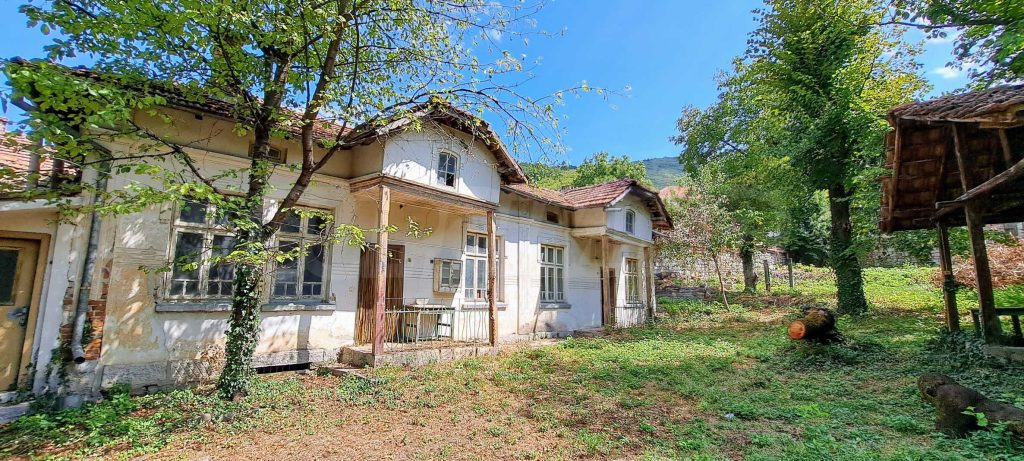
An abandoned property is generally defined as a home or building that has been left vacant for an extended period of time and shows clear signs of neglect. While a home that is temporarily empty is not abandoned, properties left without care for months or years often fall into this category. Common signs of abandonment include overgrown lawns, broken windows, boarded doors, unpaid utility bills, trash accumulation, and even structural damage. Properties in this condition can lower the value of surrounding homes, attract vandalism, and sometimes pose safety risks to the community.
Understanding exactly what makes your property “abandoned” is essential because it informs the type of buyer who may be interested and helps guide the steps you need to take to sell efficiently.
Reasons Properties Become Abandoned
There are many reasons why properties become abandoned, and each can impact the selling process:
- Financial hardship or foreclosure: Homeowners facing financial difficulty may abandon a property rather than continue paying for a mortgage, taxes, and utilities.
- Relocation or family changes: Moving for work, family, or personal reasons can leave a property empty, especially if it’s difficult to sell or rent.
- Inheritance: Many people inherit properties they do not want or cannot maintain. Without a plan, these homes often become neglected over time.
- Problem tenants or legal disputes: Homes that are rented out may become abandoned if tenants refuse to leave or disputes over ownership arise.
Each of these scenarios affects how you approach the sale. For example, inherited homes may require probate or legal paperwork, while foreclosure situations might need immediate action to prevent further financial loss.
Legal Considerations in Gloucester City, NJ
Check Ownership and Title
Before attempting to sell an abandoned property, it is crucial to verify ownership. If multiple heirs or parties are involved, any disputes must be resolved before the sale. A clear and marketable title is essential to avoid complications during the transaction. If there are any questions about ownership or past transfers, consulting a real estate attorney in New Jersey can prevent delays or legal challenges.
Local Regulations for Abandoned Properties
Gloucester City has specific municipal codes regulating abandoned properties. Owners can face fines for property neglect, such as overgrown lawns, broken windows, or other safety hazards. Additionally, abandoned homes may be flagged for inspections, requiring homeowners to take immediate action. Understanding local ordinances helps homeowners comply with the law and avoid fines that could complicate a sale. For detailed information, see the Gloucester City Municipal Code.
Table: Common Legal Issues for Abandoned Homes
| Issue | Description | How to Resolve | Potential Impact |
|---|---|---|---|
| Unpaid property taxes | Taxes owed to the city or county | Contact the tax office, negotiate a payment plan, or pay in full | May prevent sale until resolved; reduces net proceeds |
| Liens or mortgages | Outstanding debts secured against the property | Pay off, negotiate with lender, or disclose to buyer | Can lower buyer offers; full disclosure avoids lawsuits |
| Code violations | Safety or maintenance issues | Work with city inspector to resolve or certify compliance | Unresolved violations may prevent legal sale |
| Inheritance disputes | Multiple heirs or unclear ownership | Consult a real estate attorney and resolve ownership | Delays sale; risk of legal challenges |
Resolving legal issues before marketing the property ensures a smoother transaction and avoids potential pitfalls that can delay or derail the sale.
Assessing the Property’s Condition
Initial Walkthrough
The first step in assessing an abandoned property is a thorough walkthrough. Safety should always come first—look for exposed wiring, broken stairs, mold, water damage, or structural weaknesses. Taking careful notes on the condition of every room and exterior element helps you understand the property’s repair needs and informs your pricing strategy.
Professional Inspection
While a personal walkthrough is useful, hiring a licensed home inspector is highly recommended. Inspectors can identify hidden issues, such as foundation problems, electrical hazards, plumbing leaks, and roofing concerns. Their reports provide detailed documentation that can be shared with potential buyers, helping justify the asking price or explain necessary repairs.
Table: Abandoned Property Condition Checklist
| Area | What to Check | Notes | Recommended Action |
|---|---|---|---|
| Exterior | Roof, siding, windows, doors | Look for cracks, leaks, or broken components | Secure broken windows; repair minor roof damage if possible |
| Interior | Walls, flooring, ceilings | Look for mold, cracks, water damage | Document issues for buyers; consider minor repairs to improve offer |
| Utilities | Water, gas, electricity | Ensure all systems are safe; check for leaks or disconnections | Turn off non-essential utilities; schedule safety checks |
| Safety | Hazards, pests, structural integrity | Document mold, rodent infestations, or weak flooring | Take safety precautions; disclose hazards to buyers |
Proper assessment ensures buyers understand the property’s condition and allows you to present accurate, transparent information.
Preparing Your Abandoned Property for Sale
Minimal Repairs vs. Selling As-Is
One of the biggest decisions when selling an abandoned home is whether to make repairs or sell as-is. Cash buyers often purchase properties without requiring renovations, so minimal repairs may be enough to attract a serious offer. However, small investments such as securing doors and windows, removing debris, or cleaning up the yard can significantly increase appeal and potentially raise the offer price. For more guidance on selling a house as-is and what to expect during the process, see Zillow: How to Sell a House As-Is When It Needs Repairs.
Cleaning and Securing the Property
Even basic cleaning can have a substantial impact on how buyers perceive your property. Remove trash, overgrown vegetation, and any dangerous materials. Ensure all entry points are secure to prevent vandalism or squatting. High-quality photos of a cleaned, secure property can make your listing more attractive to investors and cash buyers.
Document Important Property Information
Gathering all relevant documents in advance can expedite the sale process. Important paperwork includes:
- Past property tax records
- Deed and ownership documentation
- Mortgage statements
- Previous inspections or repair receipts
Having these documents ready demonstrates professionalism and builds buyer confidence.
Selling Options for Abandoned Homes
Option 1: Sell to a Cash Buyer
Selling to a cash buyer is often the fastest and easiest option for abandoned properties. Cash buyers specialize in distressed homes, allowing you to sell quickly without expensive repairs or prolonged marketing. Closing can sometimes happen within days, which is ideal if you need immediate funds or want to avoid further deterioration.
Option 2: List with a Real Estate Agent
Listing your property with a real estate agent can take longer but may result in a higher sale price. Agents can help stage the property minimally and connect you with buyers willing to invest in renovations. This option works best if the property is structurally sound and located in a desirable area.
Option 3: Auction or Government Sale
Some abandoned properties are sold at local or state auctions, particularly when taxes are unpaid. Auctions may lead to a quick sale, but prices are usually lower than market value. Government sales are generally more suitable for properties with liens or extensive legal issues, as they facilitate clearance of debts and ownership transfer.
Pricing Your Abandoned Property
Factors Affecting Price
Pricing an abandoned property requires careful consideration. Key factors include:
- Property condition: Extensive repairs lower market value.
- Location: Neighborhood desirability, proximity to schools and amenities, and local market trends matter.
- Outstanding debts or liens: Liens may reduce offers unless resolved.
Using Online Valuation Tools
Websites like Zillow and Redfin can provide estimated market values for properties in Gloucester City, NJ. Comparing similar homes that recently sold in the area gives you a realistic benchmark. Be aware, however, that these tools may not fully account for the condition of an abandoned property, so adjust estimates accordingly.
Table: Pricing Considerations
| Factor | Effect on Price | Recommendation | Additional Notes |
|---|---|---|---|
| Repairs needed | Lowers market value | Estimate cost and subtract from asking price | Minor cosmetic fixes can increase offers slightly |
| Location | Higher demand increases value | Highlight neighborhood benefits in listing | Proximity to schools, parks, and public transport adds appeal |
| Market trends | Supply and demand influence offers | Monitor local sales and trends | Adjust listing price based on similar properties sold recently |
| Liens & debts | Reduces net proceeds | Pay off or negotiate if possible | Disclose any liens to maintain trust with buyers |
Marketing Your Property to Cash Buyers
Finding Serious Buyers
The key to a fast sale is targeting the right buyers. Look for:
- Local real estate investors experienced in distressed properties
- Companies specializing in “We Buy Houses for Cash”
- Online platforms like Zillow, Craigslist, and Facebook Marketplace
Highlight Key Selling Points
Even abandoned properties have selling points:
- Location advantages such as nearby schools, shops, and parks
- Potential for renovation or rental income
- Low-hassle, quick sale with minimal paperwork
Using clear, professional photos and accurate descriptions will help attract serious offers.
Handling Offers and Closing the Sale
Evaluating Offers
When you receive offers, consider more than just the price. Review the buyer’s reliability, timeline, and proof of funds. Avoid offers from buyers without verified financing or track record.
Negotiation Tips
- Be transparent about non-negotiable items like closing date or liens
- Compare multiple offers to maximize your return
- Stay realistic about the property’s market value to avoid prolonged negotiations
Closing Process
The closing process for an abandoned property involves:
- Reviewing and signing the purchase agreement
- Addressing any liens, taxes, or legal obligations
- Completing the title transfer
- Receiving cash and finalizing the sale
Proper handling ensures a smooth, legally compliant transaction.
Common Mistakes to Avoid
Selling abandoned properties comes with potential pitfalls. Avoid these common mistakes:
- Ignoring legal issues or liens that could delay the sale
- Overpricing the property and deterring buyers
- Failing to secure the property, risking vandalism or squatting
- Not disclosing known issues, which could lead to legal trouble
- Delaying the sale due to emotional attachment, increasing financial burdens
Frequently Asked Questions
Q1: How can I sell an abandoned property with tenants still living in it in Gloucester City, NJ?
A1: You can sell it, but you must follow proper eviction procedures first. Consulting a local real estate attorney ensures the sale is legal and avoids disputes.
Q2: Do I need to pay off all liens before selling my abandoned house for cash in NJ?
A2: Not necessarily. Some cash buyers will purchase properties with liens, but unresolved debts can lower your offer. Always disclose any liens to maintain transparency.
Q3: How long does it usually take to sell an abandoned home in Gloucester City, NJ?
A3: Selling to a cash buyer can take a few weeks, while listing on the market may take several months depending on property condition and local demand.
Q4: Can I sell an inherited abandoned property without completing probate in New Jersey?
A4: Only if you are the legal owner. If probate is required, you must complete it before selling. Consulting an attorney can simplify this process.
Q5: Is it worth fixing up an abandoned property before selling to a cash buyer?
A5: Minor repairs can slightly increase the offer, but cash buyers usually purchase homes as-is, especially if they specialize in renovations.
Conclusion
Selling an abandoned property in Gloucester City, NJ, may feel overwhelming, but with the right approach, it can be simple and stress-free. At 613 Home Buyers, we help homeowners navigate every step of the process—from assessing the property and understanding legal requirements to preparing it for sale and connecting with serious buyers. Whether you choose to sell to a cash buyer or explore other selling options, acting quickly can help you avoid fines, liens, and further deterioration, ensuring a smooth and profitable sale. With 613 Home Buyers, you can turn your neglected property into cash efficiently, giving you peace of mind and a fresh start.
