
Introduction
Selling a home “as‑is” can be a smart option for homeowners in Salem, New Jersey who want to move quickly or avoid costly repairs. But what does selling “as‑is” really mean in New Jersey? What legal obligations must you meet, what are the benefits and downsides, and how do you actually go about it? This article will answer those questions and help you decide whether an as‑is sale in the Salem, NJ area is right for you.
What Does “Selling As‑Is” Mean?
Definition of “as‑is”
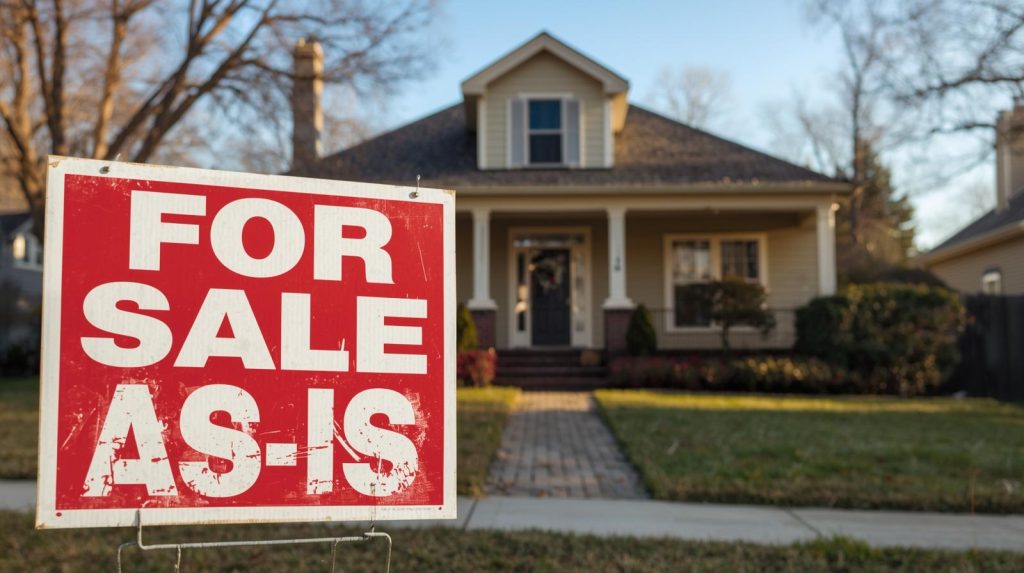
When you sell your house “as‑is”, you are essentially offering the property in its current physical condition, including any defects, and you are indicating that you will not be making repairs or improvements before the sale. The focus is that the buyer accepts the home with all its faults (visible or otherwise).
Common reasons homeowners choose to sell as‑is
- The home needs significant repairs or renovations and the owner either lacks the funds, time, or inclination.
- The owner has inherited the property and wants a quick exit rather than dealing with upkeep.
- The owner is relocating or facing financial pressure (foreclosure, divorce, health issue) and needs a fast sale.
- The home is in a condition that makes traditional listing impractical (lots of repairs, tenants, older systems, etc.).
What selling as‑is does not mean
- It does not mean you can hide known defects from the buyer or ignore all disclosure laws. Even in an as‑is sale in New Jersey, you still have legal obligations.
- It does not waive the buyer’s right to inspect the property. They may still choose to conduct inspections and the results will impact their offer.
Is Selling Your House As‑Is Legal in Salem, NJ?
Legal considerations in New Jersey
Yes — you can legally sell your house as‑is in New Jersey. The law allows for as‑is condition sales, but that doesn’t relieve the seller from certain obligations (such as disclosing known defects). For detailed guidance on New Jersey’s disclosure requirements for sellers, check out Nolo’s guide on seller’s disclosure laws.
Disclosure requirements for sellers in NJ
Here are key points to understand:
- Even in an as‑is sale, you must disclose known material defects — especially those that are latent (hidden and not easily observable).
- There is a standard form, the Seller’s Property Condition Disclosure Statement, that many agents use. While not always legally mandatory, completing it is wise and often expected.
- Federal disclosures still apply (for example, lead‑based paint hazards for homes built before 1978).
- The implied warranty of habitability still may apply — meaning you cannot sell a home that is unfit for living, regardless of as‑is status.
Specific Salem, NJ/local issues to consider
- Local codes: Some municipalities require certain safety or occupancy standards (smoke detectors, CO detectors, occupancy certificates) to allow closing of sales. Even if you sell as‑is, you may still need to address violations.
- Title and closing: Even if you sell as‑is, the property must have clear title. Any hidden liens, code violations, or title defects can delay or derail closing.
- Financing/Buyer issues: Many traditional buyers need financing. If home is in poor condition, financing may be harder — limiting buyer pool to cash or investor buyers.
Pros of Selling Your House As‑Is in Salem, NJ
1. Quicker sale process
Because you’re not trying to fix up the property and you may be able to target cash buyers or investors, the time from listing to closing may be shorter. For more insights on selling a house as-is, check out HomeLight’s guide.
2. Avoid costly repairs or upgrades
If your home requires major repairs (foundation, roofing, systems) and you don’t want to invest the money, selling as‑is allows you to skip that step.
3. Less stress and fewer negotiations
With fewer repair requests and fewer rounds of buyer negotiations over condition, the process may feel simpler.
4. Flexibility for the seller
You may list the home quickly, accept a less‑than‑perfect offer, and move on to your next chapter (relocation, downsizing, etc.).
5. Good for special situations
If you inherited the property, are relocating quickly, the property has tenants, or there is damage, an as‑is sale may be ideal.
Cons of Selling Your House As‑Is in Salem, NJ
1. Potentially lower sale price
Since buyers factor in the risk and cost of repairs, as‑is properties typically sell for less than comparable homes in good condition.
2. Smaller buyer pool
Traditional homebuyers with financing may avoid homes needing major work; investors or cash buyers dominate. That limits competition and might slow the process.
3. Perception issues and risk of surprise costs
Buyers may assume the worst about condition, which may negatively affect their offer. Also, undisclosed defects can lead to legal liability.
4. You still must disclose known issues
Failing to do so can result in legal claims even if the property is sold as‑is. The belief that “as‑is means no liability” is incorrect.
5. Repairs may still be required
Municipality, lender or insurer may require that certain minimum standards be met (for safety, health). Even as‑is sales may need cleanup or code corrections.
How to Sell a House As‑Is in Salem, NJ: Step‑by‑Step Process
Step 1: Understand your property’s condition
- Walk through your home and note obvious issues: roof leaks, foundation cracks, mold, worn systems, outdated electrical/plumbing.
- Consider hiring a professional inspector—while not always mandatory, this can help you identify issues and price accurately.
Step 2: Determine the market value as‑is
- Look at comparable properties (comps) in the Salem area—especially homes sold recently in as‑is condition if possible.
- Adjust for condition: if your house needs $30,000 repairs, that will reduce the value compared to similar homes in good condition.
- Decide your “ideal sale price” and your minimum acceptable offer.
Step 3: Price it fairly and realistically
- An as‑is home must be priced to reflect its condition and appeal to buyers willing to accept a project.
- Consider targeting cash buyers or investors who can move fast and take properties “as‑is.”
Step 4: Market your home “as‑is”
- In your listing and marketing, be transparent: state “as‑is sale”, highlight potential, show condition, emphasise any positives (location, lot size, etc.).
- Use wording like: “Sold as‑is; seller will make no repairs.”
- Be honest about condition but also highlight potential (renovation opportunity).
Step 5: Negotiate and close
- Be prepared that offers may come in lower than you hope—negotiation is key.
- Once you accept an offer, the standard purchase and sale agreement (including an “as‑is” clause) will be executed. Many NJ contracts include wording such as: “Buyer acknowledges property is being sold in ‘as is’ condition, with all faults…”
- The buyer may still request inspections. While you are not obligated to do repairs, you must disclose known defects. The buyer may have a right to walk away if undisclosed latent defects are discovered.
- Close the transaction: ensure title is clear, closing costs are handled, transfer documents filed.
Step 6: After sale – move out, transfer utilities, etc.
- Ensure you vacate (if required), transfer utilities, arrange for final meter readings, provide keys/garage codes, etc.
- Retain copies of the disclosure documents and all sale paperwork in case any legal questions arise later.
Types of Buyers for As‑Is Homes in Salem, NJ
1. Cash Buyers
These buyers can move quickly, have fewer financing issues, and are often comfortable with taking on homes needing work. They may pay less, but speed is often the trade‑off.
2. Real Estate Investors / Fix‑and‑Flip Buyers
Investors look for properties they can renovate and resell or rent. They will evaluate repair costs and timeline in their offer. They will expect a discount to account for time, risk and cost.
3. Traditional Buyers
These are buyers who plan to live in the home. They may still buy as‑is if the price is right and financing allows. However, many lenders require minimum property condition, so this pool is more limited.
How Much Will You Lose in Sale Price When Selling As‑Is in Salem, NJ?
While each home is unique, some general factors influence how much reduction you may see:
| Factor | Impact on Price Reduction |
|---|---|
| Extent of needed repairs | Major structural or system repairs → larger reduction |
| Condition compared to comps | If lots of homes in market are move‑in ready, your as‑is home may need steeper discount |
| Buyer demand / market conditions | If market is strong with many buyers, reduction smaller; weak market → greater discount |
| Location / neighborhood | Good location can soften discount; bad location increases it |
| Buyer type | Cash/investor buyers expect bigger discount; traditional buyer may demand fewer concessions |
For example, if a comparable home in good shape sells for $300,000 and your home needs $40,000 of repairs, a buyer might request $40,000‑$60,000 reduction (or more) depending on risk and condition.
Transparency and realistic pricing matter.
What Buyers Look for When Purchasing As‑Is Homes in Salem, NJ
Common red flags
- Foundation cracks, significant structural damage
- Roof leaks or age‑old roof
- Outdated or unsafe electrical wiring
- Plumbing issues (leaks, sewer back‑ups)
- Mold, water damage, pest/termite damage
- Unpermitted renovations or code violations
- Environmental hazards (lead paint, radon, underground oil tank)
How they determine their offer price
Buyers will typically:
- Estimate cost of needed repairs or renovation
- Factor in risk of hidden issues they may discover
- Consider their timeline and holding costs (if investor)
- Compare to what they can sell or rent the house for after renovation
- Adjust for profit margin (investors) or budget (owner‑occupant)
What You Need to Know Before Selling Your House As‑Is in Salem, NJ
Understanding the buyer’s perspective
When you sell as‑is, you are shifting risk to the buyer. That means they may be more cautious, they may require a bigger discount, and they may take longer to commit.
Cost of holding the property while selling as‑is
Even when selling as‑is, you still incur costs: property taxes, utilities, maintenance, insurance, possibly tenant issues, and time costs. The longer you hold, the more those add up.
Finalising the deal: closing costs and fees
- You may not have to make repairs, but you will still have closing costs: title, transfer taxes, attorney fees, escrow, etc.
- In NJ, there are transfer taxes and fees that apply even for as‑is sales.
Title and legal risks
- Check for liens, tax issues, HOA/municipal code violations.
- If you fail to disclose known defects, you may face legal claim for misrepresentation or concealment.
How to protect yourself as the seller
- Be honest and transparent about known issues.
- Complete a disclosure form and retain a signed copy.
- Consider getting legal review of the contract and relevant documents.
- Avoid making false statements; even as‑is doesn’t give complete freedom from liability.
Alternatives to Selling Your House As‑Is in Salem, NJ
If selling as‑is doesn’t feel like the right fit, consider alternatives:
- Repairing and renovating before listing: If you invest in key repairs (roof, HVAC, cosmetics), you may market at higher price and attract wider buyer pool.
- Traditional listing via real estate agent: List the home in standard “move‑in condition” or with disclosed pending repairs; you may get higher price but take more time and expense.
- Partial repairs + credit to buyer: You might do some essential repairs and offer credit to the buyer for remaining work.
- Lease/lease‑option or rent until ready: If you’re not in hurry, you might rent the property or until market improves and then sell.
Frequently Asked Questions (FAQs)
Q1: Can I sell my home as‑is in Salem, NJ without making any repairs?
Yes, you can list it as an as‑is sale. But you must still disclose known defects and comply with laws.
Q2: How much will I lose by selling my house as‑is?
It depends on the extent of needed repairs, market demand, location, buyer pool. As‑is typically means a discount compared to a fully‑conditioned property.
Q3: Do I need to fill out a disclosure form when selling as‑is in New Jersey?
While New Jersey doesn’t always mandate a specific form in every case, using the “Seller’s Property Condition Disclosure Statement” is strongly recommended, and the law requires you to disclose known material defects.
Q4: Will a buyer still inspect the property if I’m selling as‑is?
Yes. Buyers typically will inspect, even if no repairs will be done by you. They need to know what they’re buying.
Q5: Who pays closing costs when selling as‑is in Salem, NJ?
Standard closing costs still apply (title, transfer tax, attorney, etc.). Sometimes as‑is buyers (especially cash buyers/investors) may ask seller to cover some closing costs, but this is negotiable.
Q6: What if I know of a big defect (e.g., underground oil tank) — can I still sell as‑is?
Yes, but you must disclose it. Some municipalities or lenders may require mitigation (such as tank removal) before closing.
Conclusion
Selling a house as-is in Salem, New Jersey is a viable option for many homeowners — especially when time is short, funds for repairs are limited, or the property condition is challenging. It offers speed, simplicity, and fewer up-front expenses. However, it also means a smaller buyer pool, likely lower sale price, and ongoing responsibility to comply with legal disclosure and title requirements.
If you’re thinking about an as-is sale, 613 Home Buyers is here to help.
- Be honest about your home’s condition and your goals.
- Price realistically for condition and market.
- Use correct disclosure practices to protect yourself legally.
- Market smartly and target the right buyer type (cash/investor).
- Consider alternatives if you believe you could improve value with a modest investment.
By doing your homework and preparing accordingly, an as-is sale can be an effective way to move on from your property with less hassle and more certainty. If you’re ready to proceed, 613 Home Buyers can help you navigate the process with ease and confidence, offering a fast and fair cash offer for your property.
