
Introduction
When you’re preparing to sell your home in Burlington, New Jersey, one of the key questions is: “How much will it cost to repair the house before listing it?” Whether you have a smaller move-in-ready repair list or major systems that need replacing, understanding repair costs helps you set realistic expectations, budget appropriately, and decide whether you’ll tackle repairs or consider selling as-is. This article dives deep into the repair cost landscape—what kinds of repairs sellers commonly face, how much they cost (national benchmarks plus New Jersey context), how to estimate your own repair bill, and ultimately what to decide: repair or sell as-is.
1. Why Are Repairs Necessary Before Selling?
1.1 Attracting More Buyers
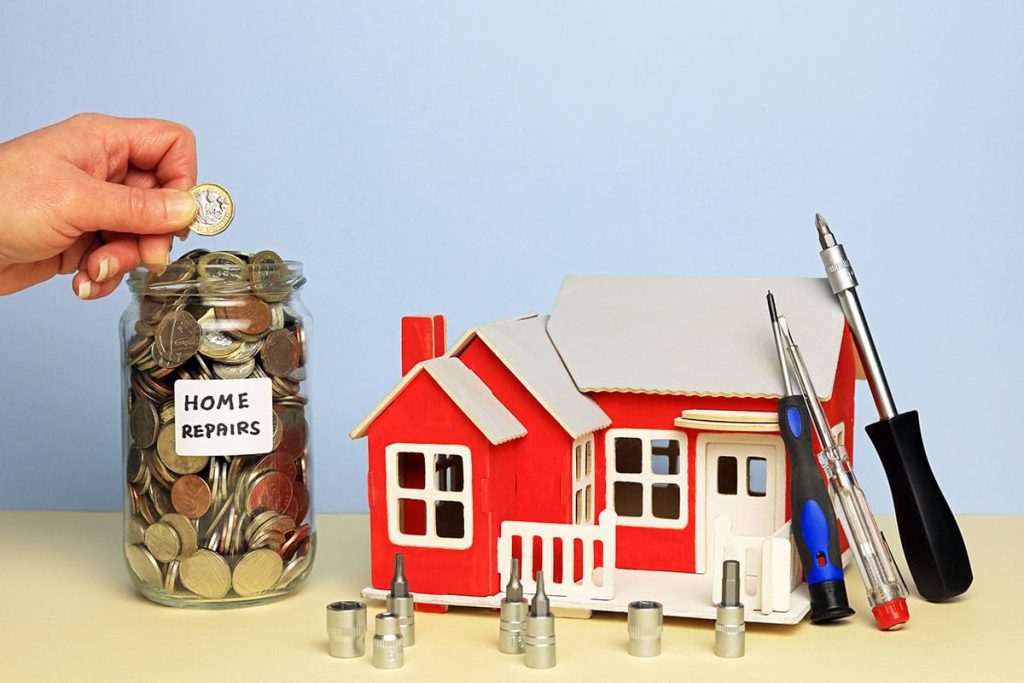
A home in better condition tends to attract a wider pool of buyers. When a house shows well—fresh paint, functioning systems, no visible damage—it signals quality and care, and buyers feel more confident. This helps with showings and often leads to better offers.
1.2 Getting a Higher Sale Price
Homes that require fewer immediate repairs often command higher prices or face fewer negotiating reductions. If the buyer sees “good condition” rather than “fix-this before closing,” the perceived risk drops and the offer may improve.
1.3 Speeding Up the Selling Process
Repair problems (or the perception thereof) can slow the process—buyers may request contingencies, extended inspections, or credit allowances. On the other hand, a home ready to go helps speed negotiation, inspection, appraisal, and closing.
1.4 Mitigating Risk of Price-Reducing Findings
When you list without addressing obvious issues, a buyer’s inspection may find them and ask for credits or repairs—or walk away. By proactively addressing major issues, you reduce the chance of unpleasant surprises.
2. Common Types of Repairs and Their Costs
Below are common categories of repairs that sellers encounter, along with estimated cost ranges. These are based on national data (which you’ll want to adjust upward for New Jersey / Burlington area if needed).
2.1 Cosmetic Repairs
These are the “visible” fixes that help a home show well and avoid turning away buyers by first impression.
- Painting (interior) – Fresh coat of paint makes a major difference. Typical cost: around $2–$6 per sq ft for materials + labor.
- Flooring (refinish or replace) – Older, worn floors may need sanding/refinishing or full replacement.
- Landscaping / curb appeal – Trimming shrubs, cleaning up, fresh mulch, power-wash siding/driveway. Lower cost but high impact.
- Minor repairs (patching drywall, fixing doors/windows, cosmetic trim) – According to national data: drywall patching averages $100-$300 for minor jobs; more extensive patching up to $1,000–$2,000.
2.2 Mechanical Systems: Plumbing, Electrical, HVAC
These repairs are less visible but can significantly influence buyer confidence (and the appraisal).
- Plumbing repairs – Includes leaky pipes, water heater issues, slow drains. For example, national average to repair or replace a water heater: ~$600–$1,800.
- Electrical updates – Faulty wiring, outdated panels, non-compliant outlets. National average for minor electrical issues: $141–$419; larger jobs $2,000–$6,000+.
- HVAC / heating & cooling – Ensuring the system works and is up to date gives buyer confidence. National data: furnace or AC replacement may run $2,000–$10,000+ depending on size and complexity. For more details on HVAC repair costs, you can check out this HomeAdvisor HVAC Repair Guide.
2.3 Structural and Exterior Repairs
These are the “big ticket” items that can dramatically affect cost—and buyer perception.
- Roof repairs or replacement – Missing shingles, leaks, aging roof. National ranges: minor repairs $150–$400; full replacement $5,700–$16,000 (or more).
- Foundation or structural issues – Cracks, settling, bowing walls. One of the costliest issues: foundation repair may run $2,500–$7,900 on average nationally.
- Siding / exterior cladding – Damaged siding or rot can cost from $500 to $4,000+ depending on scale.
3. DIY Repairs vs. Hiring Professionals
3.1 When to Consider DIY Repairs
- Small cosmetic fixes: painting, patching minor drywall, cleaning/landscaping, replacing hardware.
- Benefit: Lower cost, quick turnaround.
- Risk: Poor workmanship can turn off buyers or raise red flags on inspection; also, DIY may reduce ease of warranty/guarantee for buyer.
3.2 When You Should Hire a Professional
- Major mechanical repairs (electrical, plumbing, HVAC) where safety or code compliance is crucial.
- Structural/exterior work (foundation, roof, major siding) typically needs licensed contractors and permits.
- Benefit: Quality assurance, professional documentation, may give buyer confidence.
- Cost: Higher upfront cost, but may pay off via better sale price, fewer issues.
4. How to Estimate Repair Costs for Your Burlington, NJ Home
4.1 Step 1: Walk the Home with a Critical Eye
- Inspect the property room-by-room and from the exterior.
- Look for obvious issues: peeling paint, water stains, leaky faucets, cracked tiles, aged roof shingles, bowing walls, sagging ceilings.
- Use a home inspection report (if available) or hire a pre-listing inspection to identify hidden problems early. For details on what a home inspection typically costs, you can check out this Realtor.com Home Inspection Guide.
4.2 Step 2: Get Multiple Quotes
- For major systems or structural work, obtain at least three quotes from licensed contractors.
- Ensure each quote includes detailed scope (labor, materials, timeline), so you can compare apples to apples.
- Ask for breakdowns: how much is labor vs materials; include permit costs.
4.3 Step 3: Use National Averages, Then Adjust for Location
- National “ballpark” data: e.g., foundation repairs often $2,500–$7,900.
- However, New Jersey (and specifically Burlington County / region) may have higher labor/material costs due to cost of living and local regulations.
- Use your local quotes to calibrate national numbers.
4.4 Step 4: Build a Repair Cost Table
Creating a table helps both you and potential sellers (or yourself) visualize repair cost tiers. Example:
| Repair Category | Low Estimate | High Estimate | Notes |
|---|---|---|---|
| Cosmetic (paint, flooring, trim) | $500 | $3,000 | Depends on size/condition |
| Plumbing minor | $150 | $2,500 | Leaks vs major pipe replacement |
| Electrical updates | $500 | $2,000 | Minor wiring vs panel upgrade |
| HVAC system (repair/replace) | $150 | $3,000+ | Major system replacement can exceed |
| Roof repair/replacement | $300 | $5,000+ | Scale matters, full replacement higher |
| Foundation/structural | $500 | $7,000+ | Might escalate significantly if serious |
4.5 Step 5: Include a Contingency Budget
- Hidden issues often arise during inspections or after starting work (e.g., water damage behind drywall, wiring not up to code).
- Good practice: add a 10–20% contingency on top of your estimated repair budget to cover surprises.
- This ensures you’re financially prepared rather than scrambling.
5. Budgeting for Home Repairs Before Sale
5.1 Setting the Repair Budget
- For a typical home preparing for sale, if most systems are functional and only moderate cosmetic repairs are required, a budget of $2,000–$5,000 might suffice (for smaller homes/condos).
- If major systems or structural issues exist, budget $5,000–$20,000+ or more depending on severity and size of home.
- According to national averages, emergency/major repair spending can escalate to several thousand dollars.
5.2 Rule of Thumb for Annual Maintenance (Helpful Context)
- Many analysts suggest setting aside 1%–3% of your home’s value per year for maintenance and repairs.
- While this is for ongoing maintenance rather than sale-prep, it gives perspective on how quickly costs can accumulate.
5.3 Return on Investment Considerations
- Ask: Will the repair increase the sale price more than its cost? For example, if the floor is worn but structurally sound, re-carpeting may improve buyer perception and offer value.
- Conversely, some repairs may not change sale price significantly—especially in a buyer’s market or for a home being sold as-is.
5.4 Financing Repairs
- If you choose to make repairs before listing, you may need to pay out of pocket, tap home equity, or even roll repairs into the sale price.
- Alternatively, some sellers opt to sell “as-is” to avoid upfront costs—discussed in the next section.
6. Should You Make Repairs or Sell As-Is?
6.1 Advantages of Making Repairs
- Better presentation → stronger offers.
- Reduced buyer inspection/repair contingencies.
- Potentially faster closing.
- Possibly higher sale price and less risk of negotiation striking down the offer.
6.2 Advantages of Selling As-Is
- Avoids upfront repair costs, saving cash and time.
- Quicker sale process—especially helpful if you’re motivated to sell (relocating, financial situation, etc.).
- Attracts buyers comfortable with renovation or investment buyers who expect to make repairs themselves. For more on what selling a home “as‑is” means and the typical pros, see this resource from Zillow.
6.3 Deciding Factors
Ask yourself (or discuss with your real estate advisor):
- How many repairs are needed and how costly?
- Will the repairs significantly boost offer price?
- How soon do I need to sell?
- What is the condition of comparable homes in the market (Burlington, NJ area) that are selling?
- Could it make more sense to list as-is at a discounted price and let a buyer assume the cost/effort?
6.4 Hybrid Approach
Sometimes it makes sense to do selective repairs—e.g., address major safety or system issues (electrical, HVAC) but skip minor cosmetic updates if cost/reward don’t align. This way you balance presentation with budget control.
7. Table: Average Repair Costs for Common Issues (U.S. Benchmarks)
| Repair Type | Low Estimate | High Estimate |
|---|---|---|
| Cosmetic (paint, flooring) | $500 | $3,000+ |
| Plumbing repairs | $150 | $2,500+ |
| Electrical repairs/updates | $500 | $2,000+ |
| HVAC repair/replacement | $150 | $3,000+ (or much more) |
| Roof repair/replacement | $300 | $5,000+ (full replacement much more) |
| Foundation/structural repairs | $500 | $7,000+ (serious cases much higher) |
8. Local Context: Burlington, NJ and Surrounding Area
Living in the New Jersey region brings some specific considerations when estimating repair costs:
- Labor & Material Costs: New Jersey is among the states with higher average home maintenance costs. One study estimates average annual maintenance costs in NJ around $18,151 for some homes.
- Climate/Weather Impact: Roofs, siding, and HVAC can face more stress in regions with seasonal swings (cold winters/hot summers).
- Regulatory/Permit Environment: New Jersey often has stricter code and permit requirements which can add to cost/time.
- Market Expectations: Buyers in your market may expect homes to be in good condition; listing with significant needed repairs might reduce buyer pool or drive down price.
Thus, when you estimate repairs for a Burlington-area home, add a buffer compared to national averages to account for region-specific cost increases.
9. Practical Steps for Sellers in Burlington, NJ
9.1 Pre-Listing Inspection
Consider hiring a qualified inspector before listing. Having a report gives you early awareness of issues and helps you decide repair vs as-is, as well as price accordingly.
9.2 Prioritize Repairs
Create a list of needed repairs and prioritize based on:
- Safety / code compliance (electrical hazards, structural problems)
- Systems critical to buyer comfort (HVAC, plumbing, roof)
- Cosmetic issues with high impact (paint, flooring, curb appeal)
- “Nice-to-have” items – these may be skipped if budget or timeline constrained.
9.3 Get Written Quotes & Compare
Obtain detailed quotes, check contractor qualifications/licensing, verify references. Having three comparable bids helps you negotiate better and budget with confidence.
9.4 Decide Scale of Work
Based on quotes and your selling timeline:
- Full repair: If cost is manageable and will improve sale price significantly.
- Partial repair: Address major issues, skip lower-impact ones.
- Sell as-is: If repair cost is high, time is tight, or you prefer a faster sale.
9.5 Set Realistic Pricing Strategy
If you do repairs, list at a price reflecting improved condition and correspondingly reduced buyer concerns. If you sell as-is, discount the price appropriately and set buyer expectations.
9.6 Disclosure & Inspection-Ready
Regardless of repair path, be ready to disclose known issues and make sure the home is clean, presentable, and inspection-ready. Hidden surprises during buyer’s inspection can derail a sale.
Frequently Asked Questions
Q: What are the most expensive repairs I might face when selling?
A: Structural/foundation issues and full roof replacements tend to be the costliest. Nationally, foundation repair often runs $2,500–$7,900 (or more) depending on severity.
Q: How can I save money on repairs before selling?
A:
- Get multiple quotes and negotiate.
- Use a qualified but cost-efficient local contractor.
- Do smaller cosmetic work yourself (painting, cleaning).
- Prioritize only high-impact repairs.
- If you sell as-is, price accordingly and avoid excessive spending.
Q: Will doing repairs guarantee a higher sale price?
A: Not guaranteed—but repairs often reduce buyer risk, improve perceptions, and can lead to stronger offers. But if the market is weak or buyers expect to do their own renovations, the return may be limited.
Q: How much contingency should I budget?
A: Plan for 10–20% extra on top of your estimated repair cost to account for hidden issues discovered during inspection or work.
Q: Should I obtain a pre-listing inspection?
A: Yes—especially if you suspect significant repairs. A pre-listing inspection gives you clarity, helps pricing strategy, and may reduce last-minute surprises or renegotiations.
Conclusion: Is It Worth the Investment?
Selling a home is as much a financial decision as a logistical one. When it comes to repair preparation, you’re balancing costs, time, buyer perceptions, and sale outcomes.
- If the repair cost is relatively low compared to the home value and likely to yield a stronger offer or faster sale, making the investment often makes sense.
- If the repair cost is very high, you’re constrained by time, or you’re targeting an investor/renovator buyer anyway, selling as-is may be the smarter choice.
- The sweet spot? Address major functional/safety items, optimize presentation where feasible, but avoid sinking large funds into low-ROI cosmetic work if time and budget are tight.
At 613 Home Buyers, we understand that selling a home can be a complex process, especially when it comes to repairs. Whether you choose to make repairs or sell your home as-is, we offer a fast and hassle-free cash buying process that can help you avoid the stress of dealing with repairs. If you’re looking for a quick sale, we’re here to provide a fair offer for your home, as-is, and close on your timeline.
In the Burlington, NJ market, where costs can be above national norms, take extra care to get accurate quotes and build in a healthy contingency. Being informed, realistic, and strategic helps you choose the right path—and maximize your return while minimizing stress. Let 613 Home Buyers assist you in making the best decision for your situation, with the convenience and ease of a cash offer.
