
Selling a house in probate can be a lengthy and complicated process, especially if you’re unfamiliar with the ins and outs of estate law. If you’re in Trenton, NJ, and dealing with the sale of a house in probate, it’s essential to understand the timeline and factors that can impact how long it takes to complete the sale.
This guide will explain what probate is, the typical timeline for selling a house in probate, factors that affect the process, and tips for expediting the sale. By the end of this article, you’ll have a clear understanding of what to expect when selling a house in probate in Trenton, NJ.
What Is Probate?
Definition of Probate
Probate is the legal process that occurs after someone passes away, which ensures that their estate is settled and any outstanding debts are paid. If the deceased person left a will, probate validates the will, and an executor is appointed to manage the estate according to the instructions laid out. If no will exists, the court appoints an administrator to oversee the estate.
How Probate Affects the Sale of a House
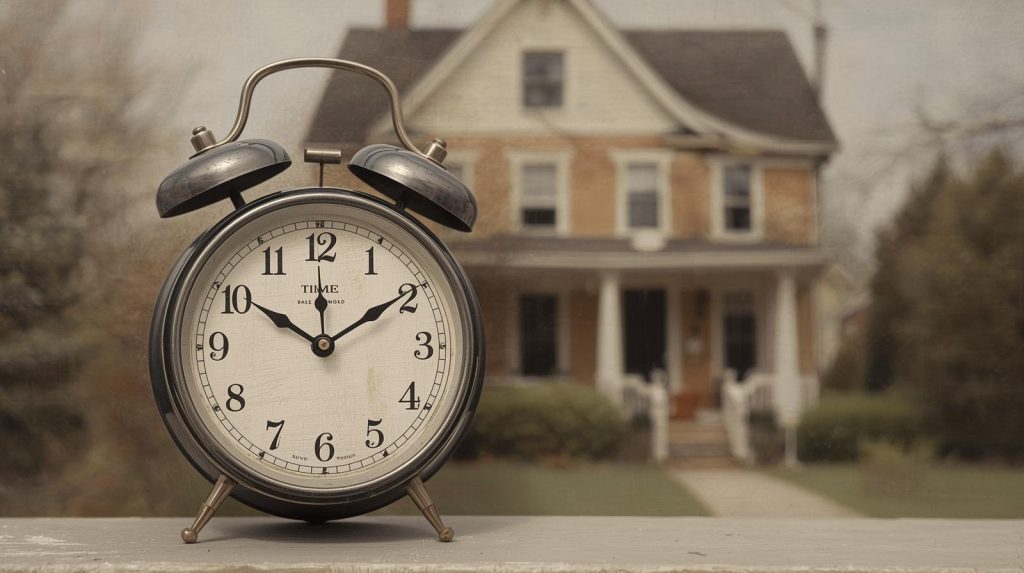
Selling a home in probate involves navigating through the court process, which can be slow and complex. The sale cannot proceed until the court has given its approval, and during this time, certain procedures, such as property appraisals and dealing with the deceased’s outstanding debts, can delay the process.
Factors That Affect the Length of Probate in Trenton, NJ
The time it takes to sell a house in probate varies depending on several factors. In general, selling a probate property can take anywhere from six months to over a year. Let’s explore some key factors that influence the timeline in Trenton, NJ.
1. Court Processing Time
Probate in New Jersey involves filing documents with the court and waiting for approval at each step. This can take time, as court schedules can be unpredictable. The probate process begins when the will is filed, and the court appoints an executor. On average, it can take 1-2 months just for the court to approve the executor and the beginning stages of probate.
2. Complexity of the Estate
The complexity of the estate plays a significant role in how long the probate process will take. If the estate includes multiple properties, large amounts of debt, or assets that need to be sold or distributed, it could take longer to settle everything. For instance, if the property has multiple beneficiaries who are in dispute over the property or its sale, the process can be delayed for months. You can find detailed information about probate laws in New Jersey at Nolo’s Probate Overview to understand how estate complexity can affect the process.
3. Disputes Among Heirs
Family conflicts or disputes over the will can lead to significant delays. If heirs contest the will or disagree about how the property should be sold, it can take months, or even years, to reach a resolution. This is why it’s essential to communicate clearly with all heirs and beneficiaries early in the probate process.
4. Executor’s Efficiency
The efficiency of the appointed executor can also affect how quickly the probate process moves forward. An experienced executor may be able to navigate the process more smoothly, while someone unfamiliar with the process may take longer to complete necessary tasks like paying debts, gathering assets, and getting court approval for the sale.
Typical Timeline for Selling a House in Probate
While every probate case is different, here’s a breakdown of the typical timeline involved in selling a house in probate in Trenton, NJ. On average, the entire process can take between 6-9 months, but it can extend depending on the complexities mentioned earlier.
Step 1: Opening the Probate Case (1-2 Months)
The first step in the probate process is filing the will with the court, which starts the probate process. In New Jersey, this process can take anywhere from one to two months, depending on court schedules and the complexity of the estate. The court needs to validate the will and appoint an executor.
If there is no will, the court will need to appoint an administrator, which can take additional time. The opening of probate involves notifying interested parties and creditors, which is an essential step in the process.
Step 2: Court Approval of the Executor (2-4 Weeks)
Once the probate case is opened, the court needs to officially approve the executor or administrator of the estate. This is typically a quick process, taking 2-4 weeks. The executor is responsible for managing the estate, including dealing with any assets, paying off debts, and distributing the estate according to the will.
During this stage, it’s crucial that the executor is efficient and completes all the required paperwork. If there are multiple beneficiaries or disputes, this process could take longer.
Step 3: Property Appraisal (1-2 Months)
Before the property can be sold, it must be appraised to determine its value. This appraisal is necessary to ensure the sale price is fair and accurate. Depending on the property’s location and condition, this process can take 1-2 months. Appraisers will evaluate the property and determine its market value, which is a key factor in setting the sale price.
If there are complications such as disputes over property value, or if the property is located in an area with slow real estate activity, the appraisal process can be delayed further. To learn more about property appraisals, check out Investopedia’s guide on Home Appraisals.
Step 4: Court Approval to Sell the Property (30-60 Days)
Once the property has been appraised, the executor must seek court approval to sell it. This process typically takes 30 to 60 days. During this time, the court reviews the sale details to ensure fairness for all parties. If the sale is below market value or involves a family member, additional hearings may be required.
Once the court approves the sale, the executor can move forward with the marketing and sale of the property.
Step 5: Marketing the Property and Negotiating Offers (30-60 Days)
Once the probate sale is court-approved, the property can be listed for sale. The length of time this step takes depends on several factors, including the property’s condition, market demand, and pricing strategy. If the property is in a desirable location or in good condition, it may sell quickly. However, if the property needs repairs or is located in a less desirable area, it may take longer to find a buyer.
This stage typically takes 30-60 days, depending on the market and how quickly offers are received and negotiated.
Step 6: Closing the Sale (30-45 Days)
Once a buyer has been found and an offer is accepted, the closing process begins. The closing period typically lasts 30-45 days, as the buyer arranges financing (if necessary), inspects the property, and finalizes the sale. The executor must provide the necessary documentation to transfer ownership of the property.
At this point, the estate is able to receive the proceeds from the sale, which will be used to settle any remaining debts or be distributed to the heirs.
How Long Does It Take to Sell a House in Probate in Trenton, NJ?
Overall Timeline Estimate
In general, selling a house in probate in Trenton, NJ, will take between 6-9 months from the time the probate process begins until the sale is closed. However, the timeline can vary depending on factors such as:
- Court delays or scheduling issues
- Disputes among heirs or beneficiaries
- Complications with the property, such as title issues or necessary repairs
Can It Take Longer?
Yes, probate can take longer if there are complications, such as disagreements among heirs, challenges to the will, or issues with the property’s title. Additionally, some estates may be more complex, requiring additional paperwork and court hearings, which can delay the process.
How to Speed Up the Process of Selling a House in Probate
While probate can be slow, there are several ways to help expedite the process:
1. Hire an Experienced Probate Attorney
An experienced probate attorney can guide you through the legal steps, help avoid delays, and ensure all required paperwork is completed promptly. They can also help with resolving disputes or issues that may arise.
2. Work with a Probate Real Estate Specialist
Real estate agents who specialize in probate properties understand the process and can help sell the property quickly. They can also assist with pricing the home appropriately and marketing it to attract buyers.
3. Consider Selling the Property As-Is
One way to expedite the sale is to sell the property as-is, meaning you don’t need to make any repairs or improvements before selling. Buyers who are familiar with probate sales often look for properties they can purchase without additional costs.
4. Get Court Approval Early
Being proactive and working with the court to get approval early in the process can save time. The quicker the court approves the sale, the sooner the property can be marketed and sold.
Selling a House in Probate for Cash
Advantages of Selling for Cash During Probate
Selling a house for cash is an excellent option for homeowners looking to expedite the probate process. Here’s why:
- Faster Closing: Cash offers can close in as little as 7-14 days, significantly reducing the overall timeline.
- No Financing Contingencies: Unlike traditional buyers, cash buyers don’t rely on financing, eliminating the risk of the sale falling through.
- No Repairs or Inspections Needed: Cash buyers often purchase properties as-is, meaning you don’t have to make costly repairs or wait for inspections to be completed.
- Simplified Process: Cash transactions are straightforward, with fewer contingencies and less paperwork, making the process faster and less stressful.
If you’re looking to sell the property quickly, especially if you’re dealing with the complexities of probate, selling for cash can be a game-changer. Cash buyers are often willing to take properties in any condition, and they are typically experienced in dealing with probate sales, which can streamline the entire process.
Probate Real Estate Sale: Do You Need Court Approval?
When Court Approval Is Required
In New Jersey, court approval is almost always required when selling a property in probate. The court must review and approve the sale terms to ensure they are fair and in line with the interests of the estate and beneficiaries. The need for court approval typically arises in two scenarios:
- If the Property Is Being Sold Below Market Value
If the property is sold for less than its appraised market value, the court will need to approve the sale to make sure that the price is fair and in the best interests of the estate. This can happen if the property is in poor condition or if there is urgency to sell quickly. - If the Property Is Being Sold to a Family Member or Interested Party
If the property is being sold to someone with an interest in the estate (e.g., a family member or heir), the court must also review the transaction to ensure that it’s fair to all parties involved.
What Happens If You Don’t Get Court Approval?
Selling a property without court approval can be risky. If the sale is not approved, it can be invalidated, leading to legal complications and delays. Executors who proceed without court approval can be held liable if the sale terms are deemed unfair or not in line with the deceased’s wishes.
For this reason, it’s crucial to follow the proper legal channels and seek court approval before proceeding with the sale of a property in probate. This ensures that all heirs, beneficiaries, and interested parties are protected.
How to Get Court Approval Quickly
To expedite the court approval process, it’s essential to prepare all the necessary documentation in advance, including:
- A detailed report of the property appraisal.
- Proof of the property’s condition (if selling as-is).
- A clear and justifiable reason for the sale price (if below market value).
- Documentation of any agreements with heirs or beneficiaries.
Working with a probate attorney can help ensure that everything is in order for a faster court approval.
Important Considerations When Selling a Home in Probate
Beneficiaries’ Rights
When selling a home in probate, it’s important to keep the rights of the beneficiaries in mind. They have a stake in how the property is sold, and any decisions regarding the sale should be made transparently to avoid disputes. It’s crucial that the executor communicates clearly with all beneficiaries and ensures their interests are considered.
If there are disagreements among beneficiaries, the process can become delayed, as the court may need to intervene to resolve conflicts. In some cases, the sale may not go through if beneficiaries contest the sale terms.
Tax Implications
Selling a home in probate can have tax implications for the estate. The estate may be liable for capital gains tax, especially if the property has appreciated significantly in value. Additionally, depending on how the sale proceeds are distributed, beneficiaries may also be subject to estate taxes or inheritance taxes.
It’s important to consult with a tax professional or attorney who can guide you through the tax implications of selling a probate property.
Closing Costs
Even though the sale of a probate property may not involve a traditional home sale, there are still closing costs to consider. These can include:
- Attorney fees for handling the probate process.
- Court fees for obtaining approval to sell the property.
- Real estate agent commissions (if you’re working with an agent).
- Title insurance and other necessary documents for transferring ownership.
These costs can add up, so it’s essential to account for them in your budget when planning the sale of a probate property.
Frequently Asked Questions
1. How long does it take to sell a house in probate in New Jersey?
- On average, it takes about 6-9 months to sell a house in probate in New Jersey. However, the process can take longer depending on the complexity of the estate, court schedules, and any disputes among beneficiaries.
2. Can you sell a house in probate without going to court?
- In most cases, you will need court approval to sell a house in probate. If the sale is below market value or involves a family member, the court must review and approve the transaction.
3. Do you need to make repairs when selling a house in probate?
- You do not need to make repairs when selling a house in probate if you choose to sell the property as-is. Many probate buyers are interested in purchasing homes in their current condition, which can save time and money.
Conclusion
Selling a house in probate in Trenton, NJ, can be a lengthy process, often taking 6-9 months, depending on factors like court schedules, estate complexity, and potential disputes. To streamline the sale, it’s important to work with professionals who understand the unique challenges of probate transactions.
At 613 Home Buyers, we specialize in buying probate homes for cash, providing a fast and hassle-free solution to help you settle the estate quickly. Whether you’re dealing with a time-sensitive probate case or simply want to avoid repairs and inspections, we offer a straightforward process with no strings attached.
We understand the complexities of the probate process and are here to guide you every step of the way. By choosing 613 Home Buyers, you can skip the traditional sale hurdles, sell your home in as-is condition, and close on your timeline. Reach out to us today for a no-obligation cash offer and get the peace of mind that comes with a quick, fair sale.
